
ISSCR News

Applications Open for Stem Cell & Developmental Biology Early Career Symposium
We are pleased to announce that applications are now open for the Stem Cell & Developmental Biology Early Career Symposium.
Taking place 23-25 September 2026 in Seattle, USA this unique event is designed to amplify emerging scientific voices and foster cross-disciplinary collaboration and exchange. The program will feature cutting-edge scientific sessions, selected short talks and posters, workshops, a networking session, and a live recording of the Stem Cell Podcast. Scientists of all career stages are encouraged to apply!
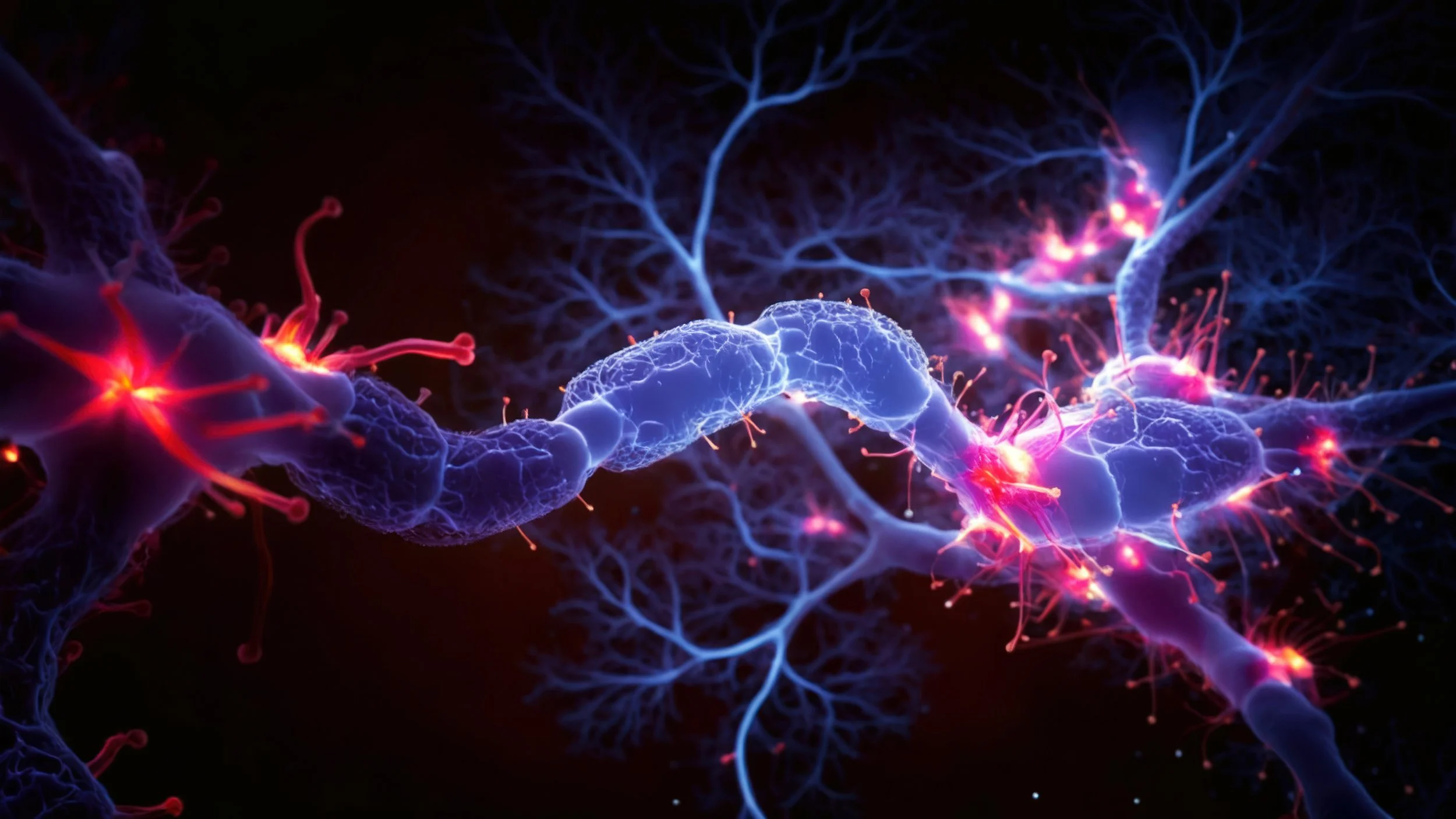
The ISSCR Launches New Continuing Education Course on Stem Cell Therapies for Parkinson’s Disease
The International Society for Stem Cell Research (ISSCR) today announced the launch of Stem Cell Medicine: Parkinson’s Disease, a new continuing education course designed to equip clinicians with an evidence-based understanding of emerging stem cell therapies for Parkinson’s disease (PD).
Building on the success of the Society’s inaugural course, Stem Cell Medicine: From Scientific Research to Patient Care, this disease-focused program provides physicians and other healthcare professionals with deeper insight into how advances in stem cell science are moving toward clinical application in one of the most intensively studied neurological disorders.

Stem Cell Reports Seeks Associate Editor to Support Journal’s Growing Global Impact
The International Society for Stem Cell Research (ISSCR) is seeking applications for an Associate Editor for its official journal, Stem Cell Reports, an online, open-access journal communicating basic discoveries in stem cell research, in addition to translational and clinical studies.
New Podcast Episode. Making Sense of Touch
Merkel cells are specialized touch-sensing cells in the skin that detect gentle pressure and support fine motor skills. They are sparsely distributed in the basal layer of the epidermis and are concentrated in sensitive areas such as whiskers or fingertips. Despite their important function, our understanding of their development is limited, particularly in humans, largely due to the lack of validated in vitro culture systems. Our guests today created new lab models to study Merkel cells using mouse whisker tissue cultures, mouse skin organoids, and human skin organoids. These models allowed them to study Merkel cells as they develop, validate the role of known signaling pathways, and even identify some new ones. Their work provides easier access to Merkel cells for future studies including disease models to understand the pathophysiology of these cells.
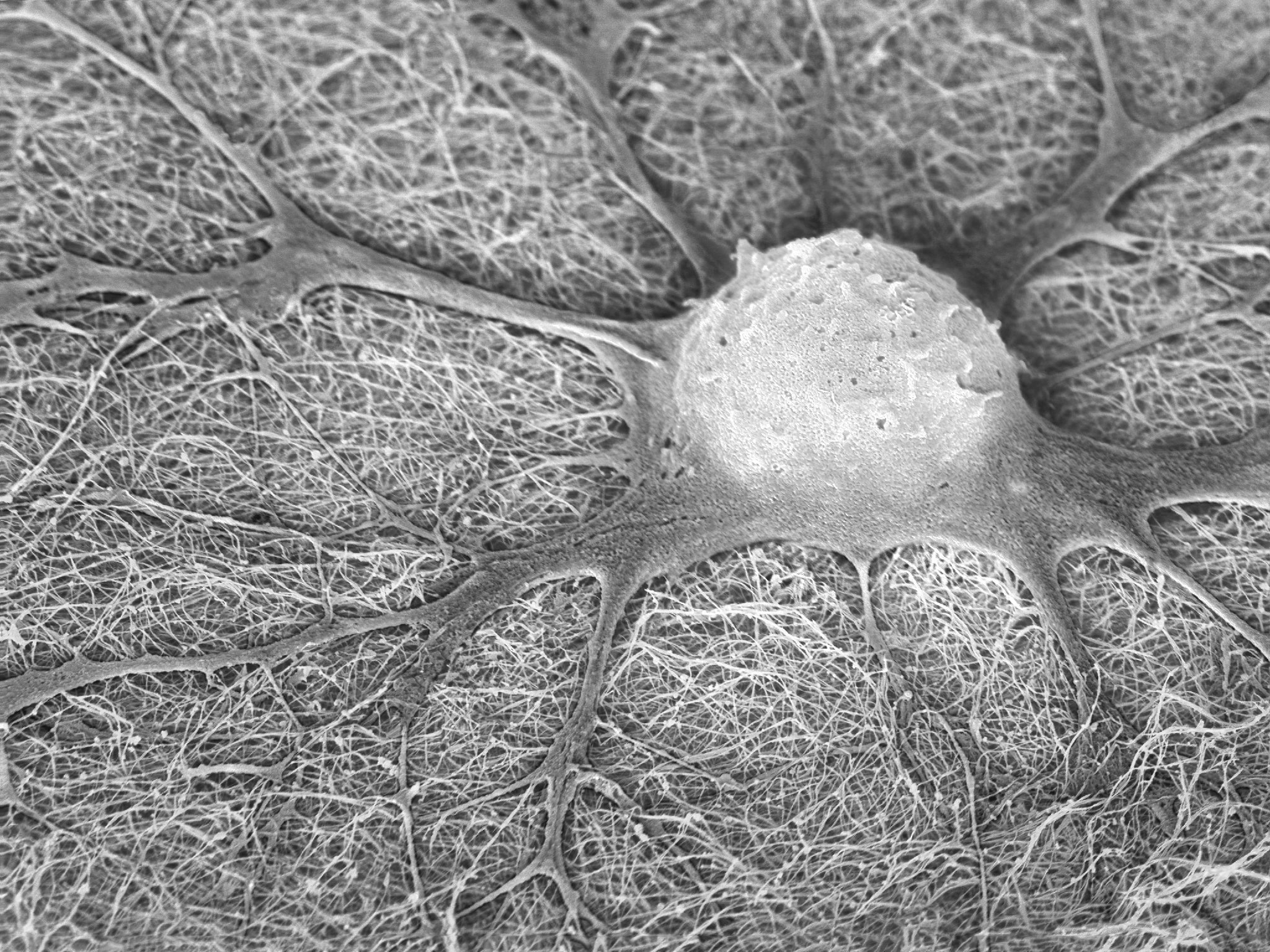
Receive ISSCR Press Releases
Sign up be a part of ISSCR’s media list. Media Contact: Kym Kilbourne, Director of Media and Strategic Communications
Subscribe to ISSCR News.
Each month, ISSCR delivers scientific, policy, and community to your inbox .